Conflict is rising. Join the movement to create a peaceful future. Sign the Pledge

Conflict is rising. Join the movement to create a peaceful future. Sign the Pledge
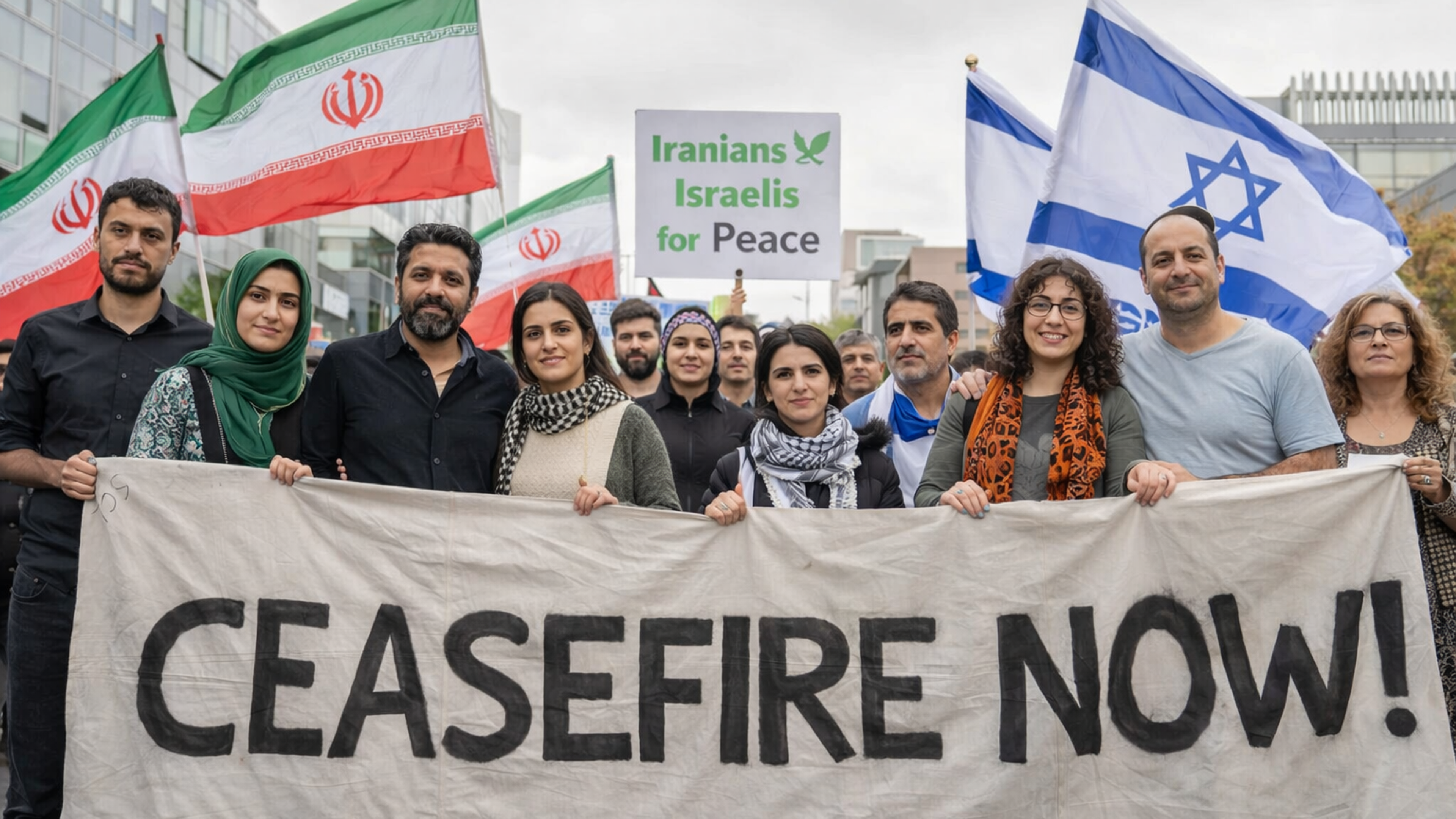

Since late December 2025, Iran has been engulfed in widespread protests that have rapidly expanded into a national crisis, drawing international attention and concern. What started as demonstrations over economic hardship has become one of the most significant waves of unrest in the country’s recent history, with profound consequences for citizens and global stability.
These protests reflect deep frustrations with economic mismanagement, political repression, and social inequality. As the Iranian government responds with force, resulting in thousands of deaths and mass arrests, the world is faced with a critical question: how can global citizens support peace and human dignity while encouraging nonviolent solutions?
Here’s a comprehensive look at why these events are happening, what they signify, and how people around the world can stand in solidarity with Iranians calling for a more just future.
The latest protests in Iran began on December 28, 2025, in Tehran’s Grand Bazaar, historically a crucible of political and economic activism. Shopkeepers and merchants initially took to the streets in response to a severe economic downturn that included a plunging currency and skyrocketing inflation, which eroded wages and made basic goods unaffordable for millions.
Iran’s rial had plunged to record lows against the U.S. dollar, intensifying hardship for everyday Iranians already struggling under long-standing sanctions, mismanagement, and rising unemployment. Although economic grievances were the initial catalyst, the protests quickly spread beyond Tehran to all 31 provinces, involving students, workers, and ordinary citizens.
As the unrest grew, so too did the demands. What began as an economic protest evolved into calls for political reform, greater freedoms, and even structural changes in how the country is governed. In many cities, demonstrators chanted anti-government slogans and sought accountability for long-standing grievances.
In an attempt to suppress the movement, Iranian authorities have employed a range of coercive measures. Beginning January 8, 2026, the government imposed a nearly total internet blackout across the country, blocking communication channels and limiting external reporting of events on the ground.
The government’s security forces have used lethal force in many clashes, leading to a high number of protester deaths and injuries. According to multiple sources, estimates of fatalities vary widely, from at least 2,000 confirmed deaths to some activist figures suggesting the toll could reach 12,000 or more, making this one of the deadliest crackdowns in decades.
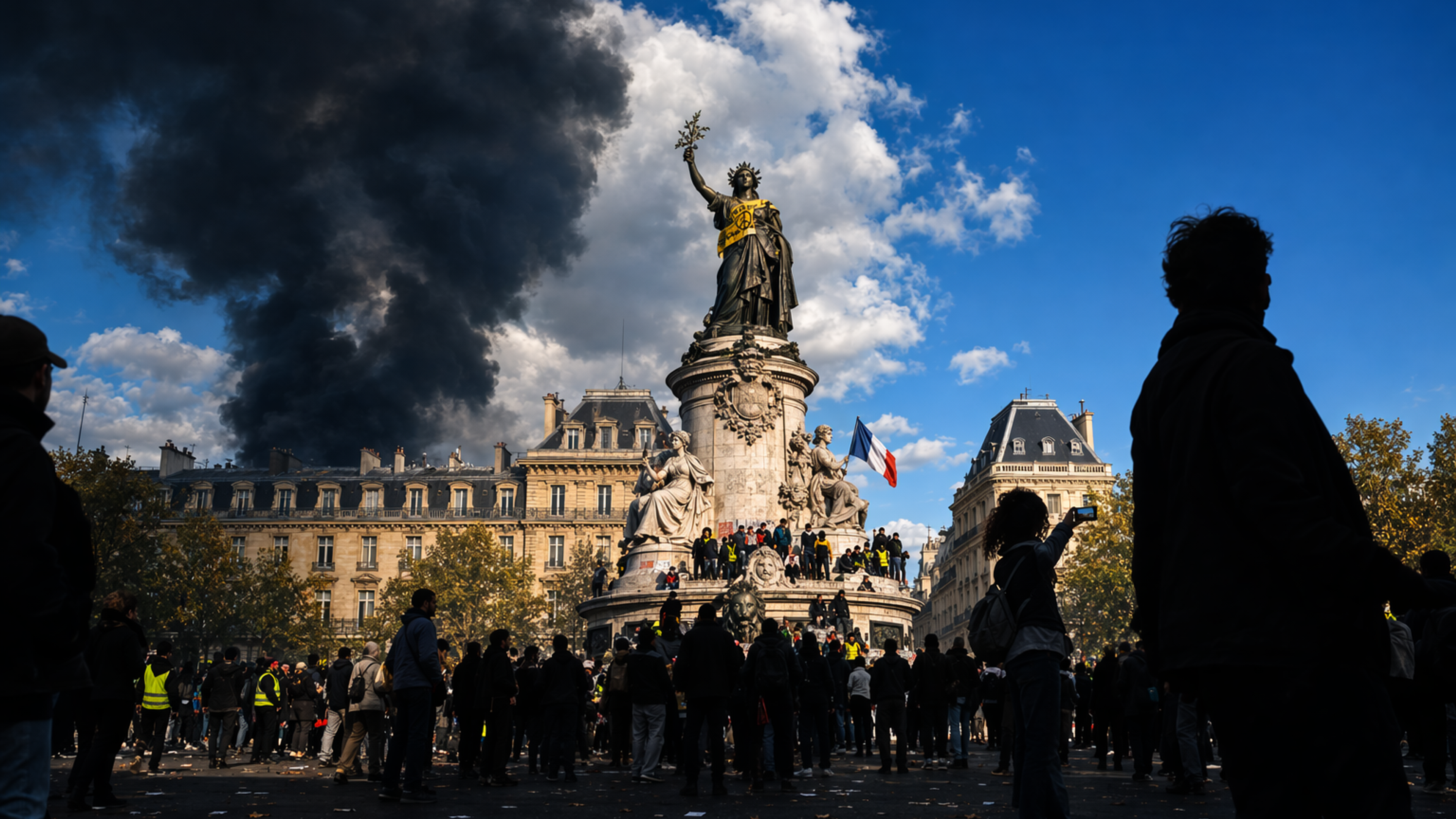
France’s nationwide protests highlight deep-rooted social inequalities and concerns over police accountability. Discover how justice reform, human rights advocacy, and peaceful dialogue can help resolve conflict and build a more peaceful society.
Pledge4Peace.org
October 20, 2026
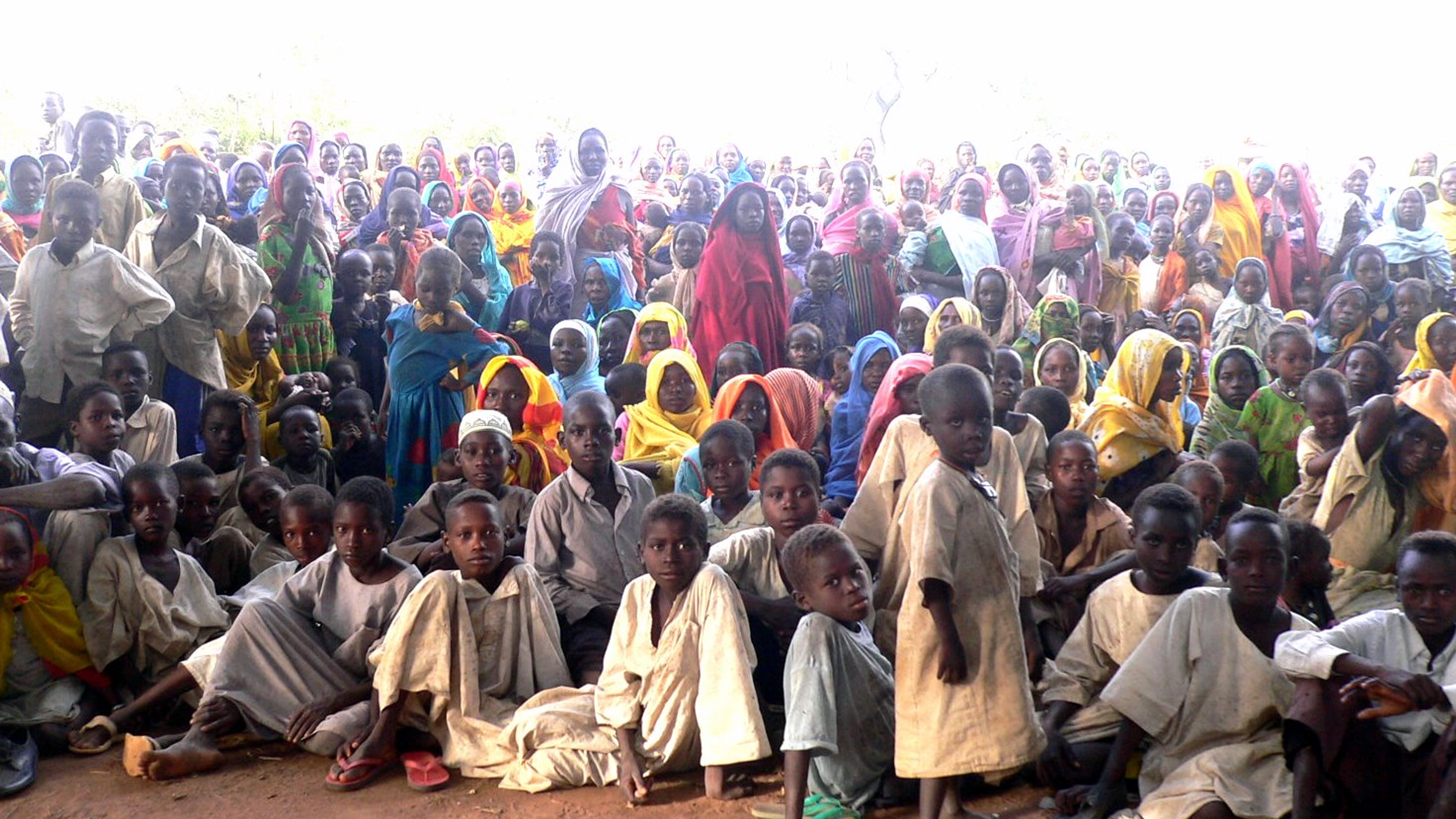
Sudan is facing the world’s worst humanitarian disaster. A devastating civil war has displaced over 11 million people, left 28 million facing acute hunger, and triggered an unprecedented wave of sexual violence used systematically as a weapon of war. Uncover the strategic crisis in El-Obeid, the harrowing UN reports, and how global citizens can take immediate action to demand international accountability and support peaceful resolutions.
Amnesty International has documented cases in which security forces fired directly on protesters, often with disproportionate force, and urged the global community to take diplomatic action to halt further violence. Human rights experts highlighted unlawful killings, arbitrary arrests, and attacks on medical facilities as clear violations of international law.
Meanwhile, Iranian officials have criticized foreign involvement and framed the protests as influenced by external powers, a narrative that has complicated diplomatic responses and increased geopolitical tensions.
The toll on human life and well-being has been devastating. Thousands of Iranians have been killed, with estimates ranging from official figures in the thousands to higher counts reported by independent groups. Numerous protests have been met with live ammunition, tear gas, and detentions, and families continue to search for missing loved ones amid reports of bodies in overwhelmed morgues.
Hospitals and healthcare workers are stretched beyond capacity. Physicians have reported treating mass casualties and enduring relentless work hours, often with limited supplies, as injured protesters arrive with severe wounds.
The human suffering extends beyond the immediate conflict zones. Iranian diaspora communities, from Los Angeles to London, watch anxiously as friends and relatives face insecurity at home. In some countries, solidarity rallies have been met with hostility, highlighting the broader cultural and political impacts of the unrest.
Observers describe these protests as the largest widespread unrest in Iran since the 2022–2023 Women, Life, Freedom movement, reflecting longstanding frustrations with economic stagnation and political repression. Unlike previous demonstrations, this wave has encompassed a broader cross-section of society, including students, bazaaris, and young professionals, signaling a more sustained challenge to governance structures.
The movement has few central leaders, yet its spread across all provinces illustrates deep societal dissatisfaction. While some opposition voices advocate for major political changes, including discussions about future governance models, others emphasize the immediate need for economic relief and protection of basic rights.
In this context, international actors face a delicate balance: vocal support for human rights must avoid becoming a pretext for further geopolitical escalation, which could further endanger Iranian lives. Global diplomacy has stressed restraint and protection of civilians, yet international pressure remains uneven.
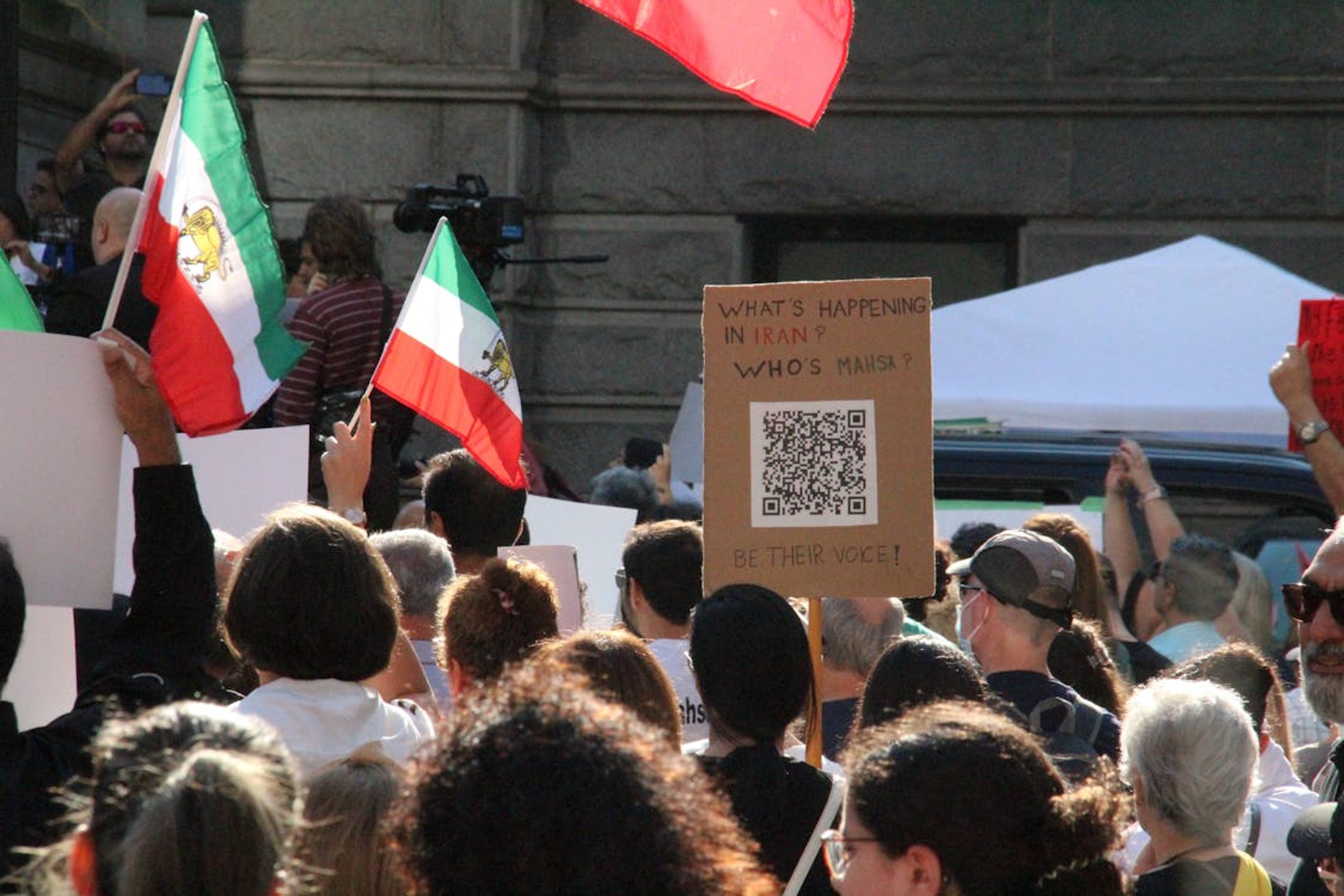
International solidarity with people in Iran must prioritize nonviolence, civilian protection, and dignity while avoiding actions that could unintentionally escalate harm. Because of state restrictions and limited humanitarian access, traditional aid channels inside Iran are constrained. Still, there are credible, effective, and ongoing ways the global community is already supporting those affected, and additional actions that can meaningfully help.
One of the most critical forms of support has been protecting access to information and communication. During waves of protest, Iranian authorities have repeatedly imposed internet shutdowns, cutting people off from emergency resources, family members, and the outside world. In response, satellite-based internet services such as Starlink have enabled civilians to bypass blackouts. According to reporting by the Associated Press, tens of thousands of Starlink terminals have entered Iran through informal networks supported by activists and the Iranian diaspora, allowing people to communicate, document events, and share verified information globally. In today’s conflicts, connectivity itself has become a form of civilian protection.
Alongside this, international digital rights organizations support secure communication tools, anti-censorship technologies, and digital safety resources. These efforts help people reduce the risks associated with surveillance and repression while maintaining access to information, which is essential during crises.
Protecting civilians, especially young people, remains a central concern. UNICEF has publicly urged all parties to safeguard children and adolescents affected by unrest in Iran, emphasizing that young people must never be subjected to violence, arbitrary detention, or intimidation. While operational access is limited, UNICEF’s advocacy strengthens international pressure and reinforces global norms around child protection and human rights.
At the multilateral level, the United Nations Office for the Coordination of Humanitarian Affairs (OCHA) and other UN bodies continue to stress that international human rights and humanitarian standards apply even during internal unrest. These frameworks shape diplomatic engagement, inform international responses, and support future accountability mechanisms. Governments, institutions, and civil society groups can reinforce these principles by consistently calling for proportional use of force, protection of peaceful assembly, freedom of expression, and due process.
Independent documentation also plays a crucial role. Sharing verified reporting and resisting misinformation helps protect those on the ground by reducing the spread of harmful narratives.
Finally, global citizens can contribute through peaceful civic action. Supporting platforms that elevate citizen voices, promote nonviolent solutions, and encourage diplomacy helps transform awareness into constructive pressure. Peaceful engagement creates space for dialogue rather than escalation and for long-term solutions rooted in human dignity.
In times of global conflict and civil unrest, individual voices matter. Peace begins with awareness, empathy, and action grounded in solidarity with those affected.
You can help by supporting peace-driven solutions and contributing to global campaigns that encourage accountability, dialogue, and nonviolent responses to crises like those unfolding in Iran.
Vote today at https://www.pledge4peace.org/campaigns.
Your participation helps raise awareness not only about the protests in Iran but also about other global struggles for dignity and peace. In tandem with informed engagement and solidarity, collective citizen action can contribute to safer, more just outcomes for people everywhere.
Pledge4Peace.org
June 26, 2026