Conflict is rising. Join the movement to create a peaceful future. Sign the Pledge

Conflict is rising. Join the movement to create a peaceful future. Sign the Pledge

An in-depth, neutral analysis of the humanitarian, political, and logistical realities shaping the future of Gaza.
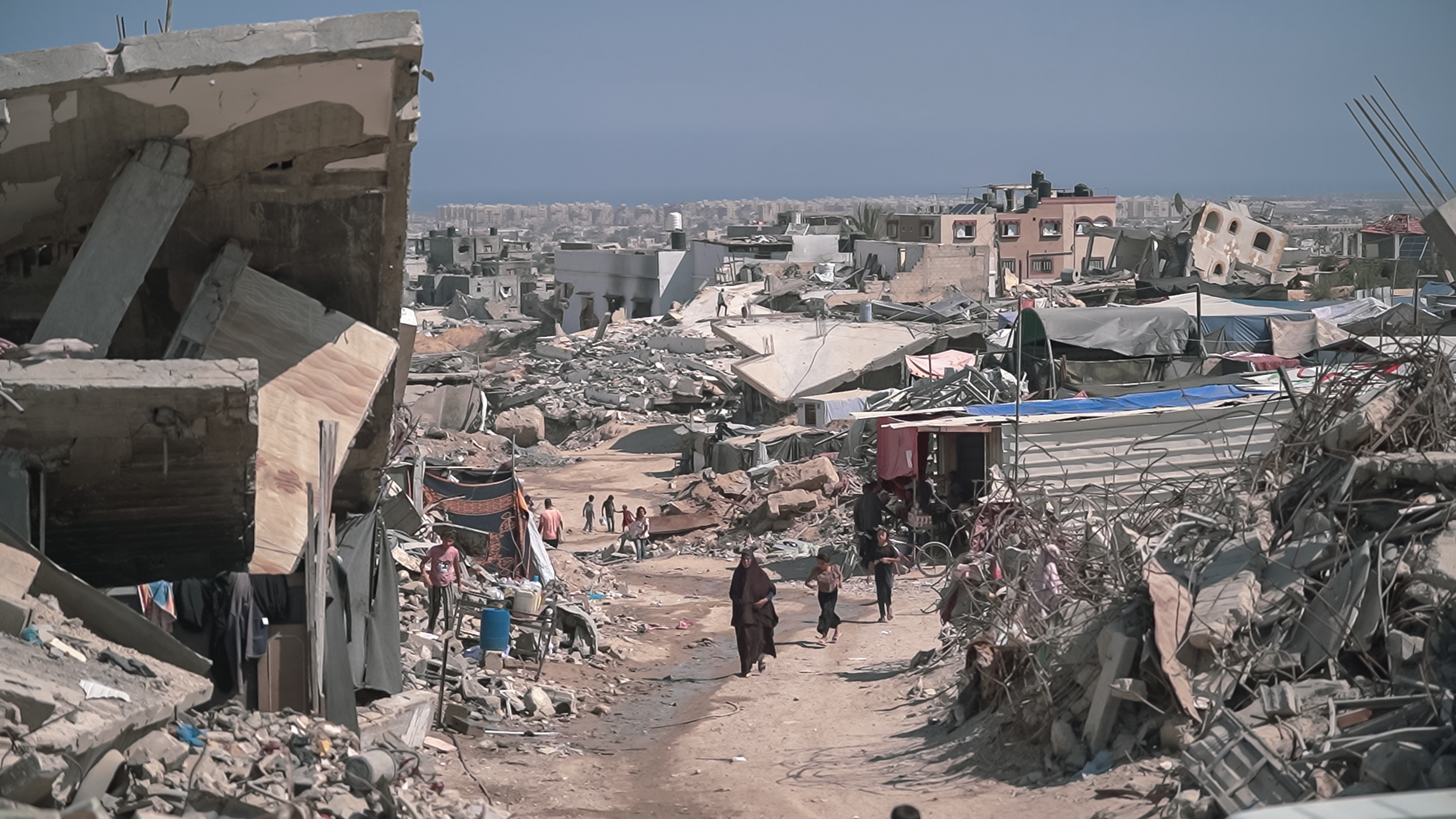
When a ceasefire was announced on October 10, many hoped it would mark a turning point, not only in the violence but also in the possibility of rebuilding lives, homes, and essential services across the Gaza Strip. Yet weeks later, reconstruction has not begun, and the territory remains one of the most heavily devastated regions in recent history.
According to assessments published by the United Nations Development Programme (UNDP), Gaza now contains over 60 million tons of rubble, a level of destruction they describe as unprecedented in scale. Entire neighborhoods have collapsed, and more than 80% of buildings are damaged or destroyed (UNDP). Water networks, electricity systems, healthcare facilities, schools, and roads have experienced extensive damage, leaving roughly one million residents displaced.
Ceasefire Alone Does Not Create Reconstruction Conditions
A ceasefire is a necessary first step but not enough, on its own, to begin reconstruction.
International donors, regional governments, and humanitarian organizations operate under specific conditions for large-scale rebuilding, many of which remain unmet.
A core challenge is the absence of a stable, agreed-upon security environment. Several countries have stated publicly that significant reconstruction funding requires commitments that ensure materials and aid can be delivered safely. This includes discussions around disarmament, secure crossings, and a peacekeeping or monitoring mechanism, all topics that remain unresolved.
Some nations previously considered for peacekeeping roles, such as Saudi Arabia and Jordan, have expressed reservations about sending forces into Gaza. Without clarity on who will guarantee security on the ground, donor confidence remains limited.
This does not reflect support for any particular actor over another; it highlights the reality that reconstruction depends on predictable safety, regardless of political perspective.
Different actors have proposed various reconstruction pathways, reflecting different strategic, humanitarian, and political priorities.
Some policymakers in Israel and the United States suggested starting reconstruction in areas currently under Israeli control, sometimes referred to in media reporting as “yellow line” zones. Supporters argue this could allow early progress where immediate security oversight is possible. Critics, including several Arab states, express concern that such moves might unintentionally solidify political divisions or borders not agreed upon in diplomatic negotiations.
Meanwhile, Palestinian officials and local civil authorities in Gaza have put forward their own reconstruction frameworks emphasizing Palestinian-led planning, community involvement, and long-term stability. Details of these proposals have not been fully disclosed publicly but remain central to debates about governance and legitimacy.
In a very different tone, some speculative private-sector ideas, including resort concepts or high-tech developments, have circulated in political commentary. While widely discussed in media, these ideas are not considered actionable humanitarian reconstruction plans.
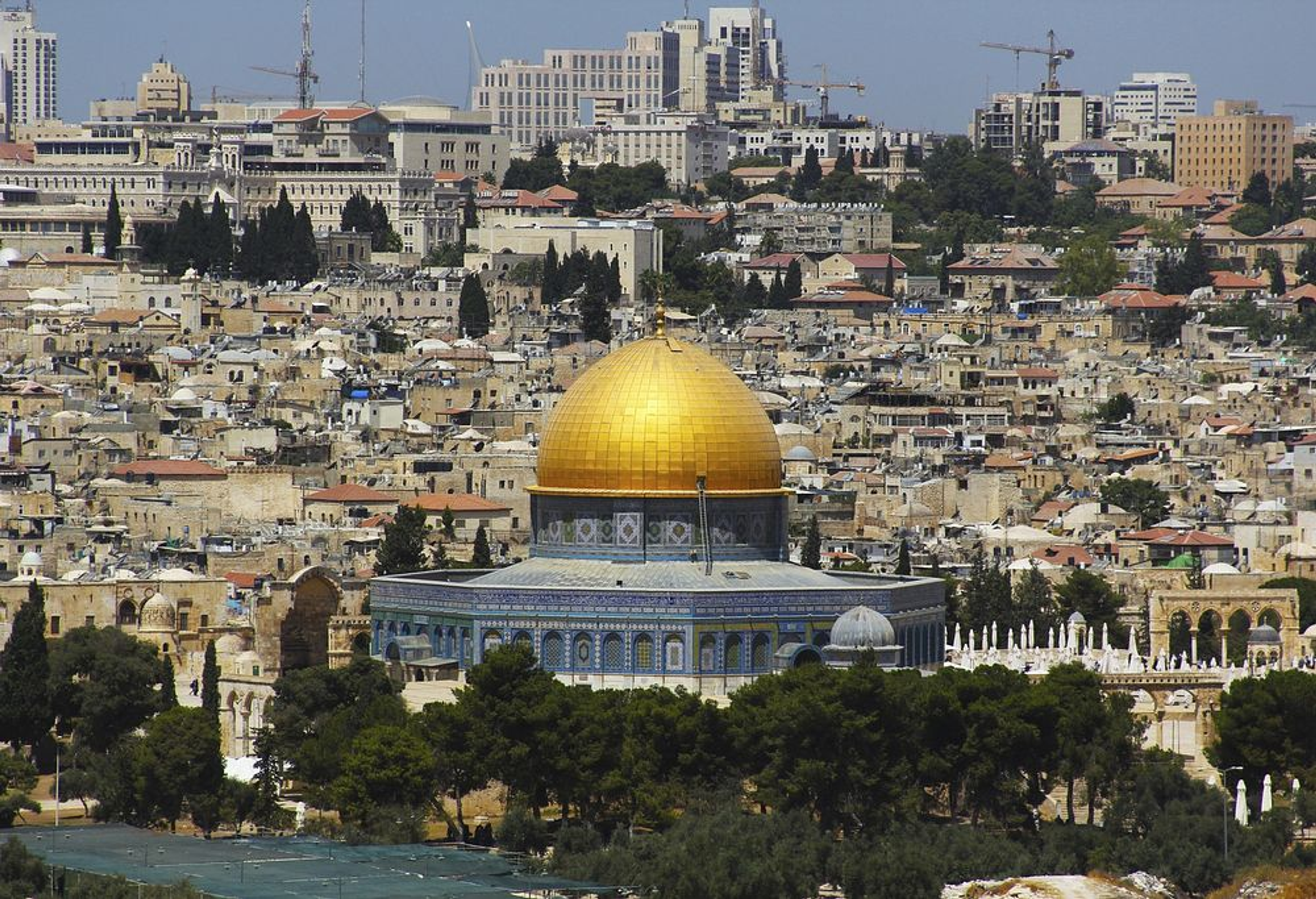
Among the more structured proposals, the Egyptian-led reconstruction plan, endorsed by multiple Arab states in March 2025, has gained significant attention. It envisions a multi-phase process:
1. Clearing debris
2. Restoring major infrastructure
3. Rebuilding homes, services, and economic systems
Courtesy of Rawpixel
Egypt estimated costs at $53 billion, while the United Nations placed the figure closer to $70 billion, taking into account long-term infrastructure and social recovery needs.
While the plan has strong diplomatic support, engineers have noted the timeline for rubble clearance is likely longer than initial projections, due in part to damaged roads, the sheer volume of debris, and safety hazards such as unexploded ordnance. UNDP estimates suggest debris removal could take five to seven years even under optimized conditions.
The challenge, therefore, is less about willingness and more about feasibility.
Even with a credible plan, financing is a central hurdle. Large-scale reconstruction, including roads, water systems, hospitals, schools, electricity grids, and housing, requires long-term commitments from the international community.
Many nations and institutions maintain that before pledging billions of dollars, clear governance structures and security guarantees are needed to ensure reconstruction is sustainable, transparent, and protected from future conflict.
This reflects a consistent principle in international development: long-term investment requires long-term stability.
In Gaza’s case, the absence of unified political authority, uncertainty over future governance arrangements, and disagreements about security responsibilities continue to freeze donor decisions.
No matter the political complexities, the humanitarian situation remains severe.
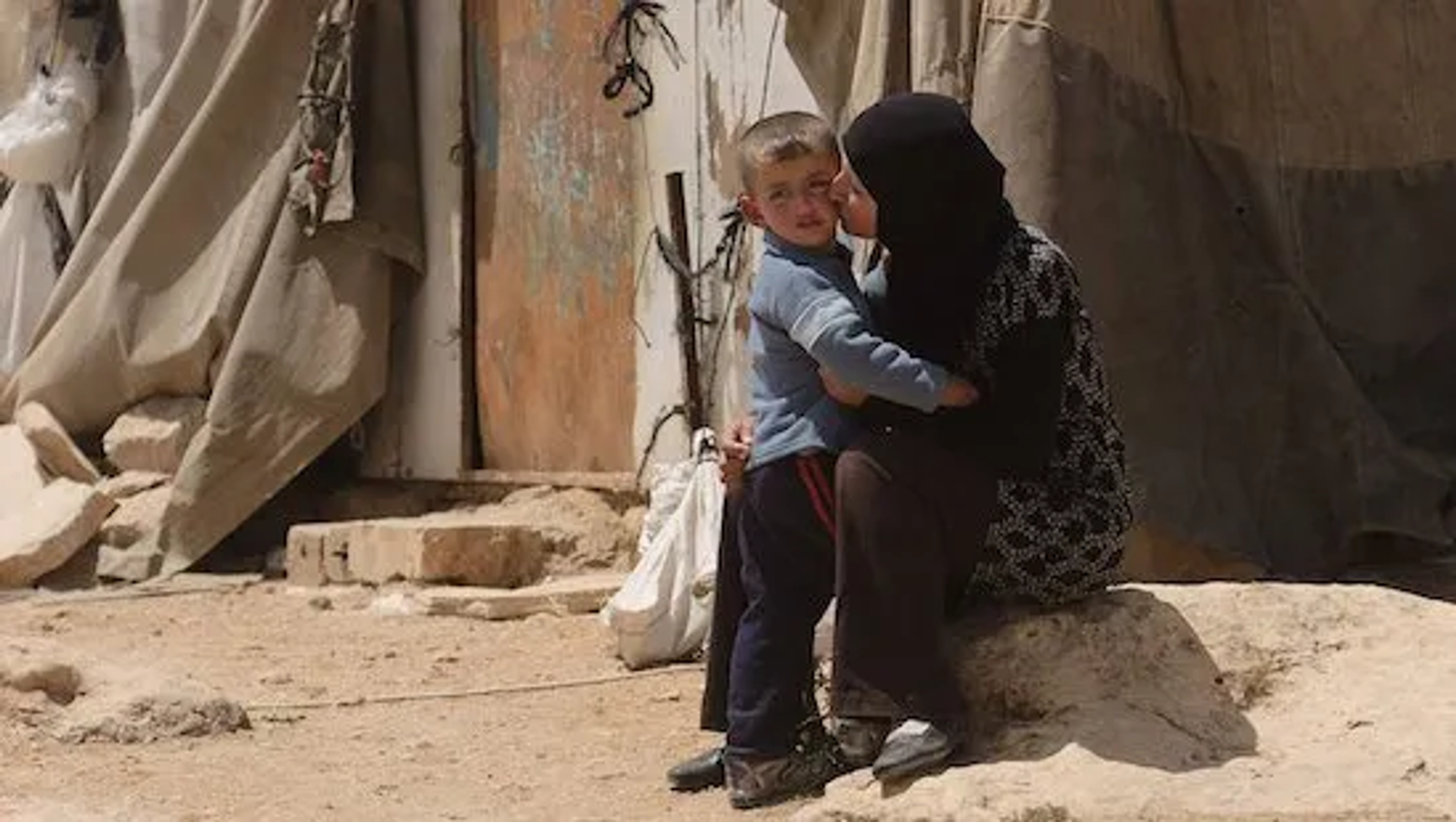
Displaced families continue living in temporary accommodations. Essential services are strained or non-functional. Healthcare systems operate at a fraction of capacity. Access to food, clean water, and electricity remains inconsistent.
Without reconstruction, these conditions risk becoming long-term realities rather than temporary consequences of war.
Children could go years without formal schooling.
Businesses, 85% of which are estimated to be damaged or destroyed, may not recover without significant support.
Critical infrastructure, including 77% of roads, cannot function without major repair.
A stalled recovery risks fueling instability, despair, and renewed tensions, outcomes no community desires or benefits from.
Creator: Libertinus
Rebuilding Gaza is possible. Experts, engineers, regional governments, and international organizations all emphasize that recovery can happen but requires a foundation built on consensus, security, and human dignity.
A sustainable reconstruction framework must:
• reflect the needs of Palestinian civilians
• ensure safety and transparency
• incorporate regional cooperation
• secure long-term donor commitments
• avoid unilateral decisions that could undermine peace negotiations
• prioritize fairness, stability, and respect for all communities involved
Gaza’s future does not have to mirror its present.
Reconstruction can be an opportunity, not only to rebuild structures, but also to rebuild trust, institutions, and hope.
But it requires a peaceful environment where rebuilding is not at risk of interruption, destruction, or political fragmentation.
Lasting reconstruction depends on lasting peace.
And lasting peace depends on people, citizens worldwide, choosing dialogue, justice, and solutions grounded in dignity.
You can take part in shaping those solutions.
Vote for peace-centered proposals on our campaign:
Your voice can amplify the call for fair, sustainable, people-first reconstruction.
Peace begins with what we choose to support today.
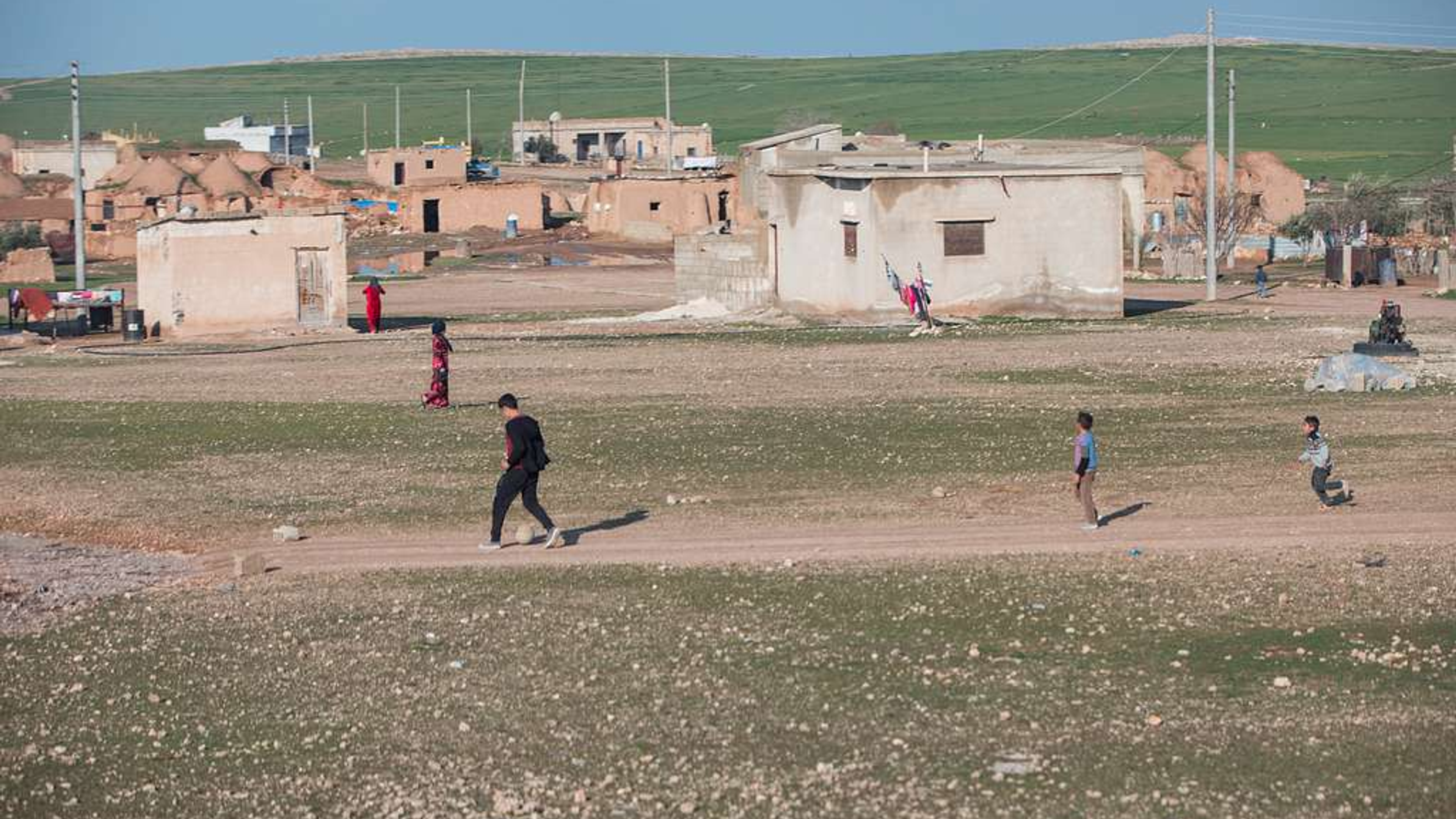
In war, children lose control over their lives, but play can bring some of that back. Across the globe, nearly 50 million children have been displaced by conflict and violence. Innovative play interventions and psychosocial support are critical for trauma recovery. However, the true mandate is for everyday citizens to demand an end to warfare through active global peace campaigns.
Pledge4Peace.org
September 17, 2026
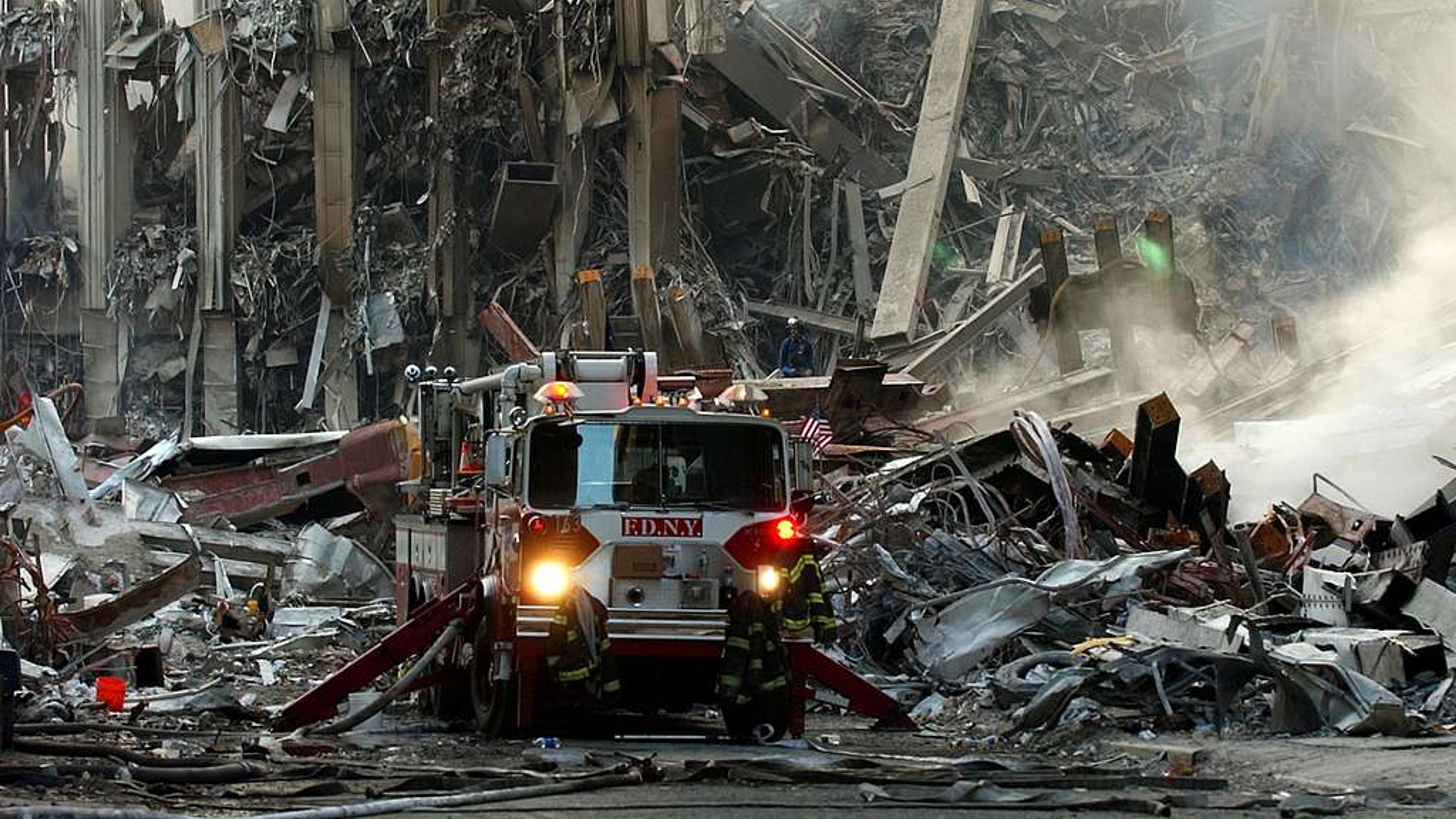
The September 11 attacks forever changed the United States, leaving a legacy of profound loss but also incredible heroism and national unity. By honoring the 2,977 victims and the brave first responders who made the ultimate sacrifice, we are reminded of our shared humanity. Today, Pledge4Peace calls upon that same spirit of solidarity to bridge divides and bring peace to global conflicts.
Pledge4Peace.org
September 11, 2026

Have you ever hesitated to give honest feedback about your workplace? The Peace Seal is built to protect you. We act as a completely neutral mediator to help you and your employer find real, private, and peaceful solutions, guaranteeing your anonymity and protecting you from retaliation.
Pledge4Peace.org
September 8, 2026